Refrigerator Safety at Home: A Complete Guide to Prevent Food Spoilage, Electrical Hazards, and Everyday Risks
A refrigerator quietly works day and night in the corner of your kitchen. You may not think about it often, but it protects your food, your health, and your family every single day. When it functions properly, you feel peace of mind. When it doesn’t, the stress of spoiled food, strange smells, or unexpected repairs can quickly become overwhelming.
Refrigerator safety at home is not just about keeping food cold. It is about preventing food poisoning, reducing fire hazards, saving electricity, and maintaining a clean and healthy kitchen environment. With a few simple daily habits, you can avoid common refrigerator problems and ensure safe food storage for your family.
Understanding the Right Refrigerator Temperature for Food Safety
The foundation of food safety begins with temperature control. If the refrigerator temperature is too high, harmful bacteria can grow quickly. If it is too low, certain foods may freeze and lose their texture.
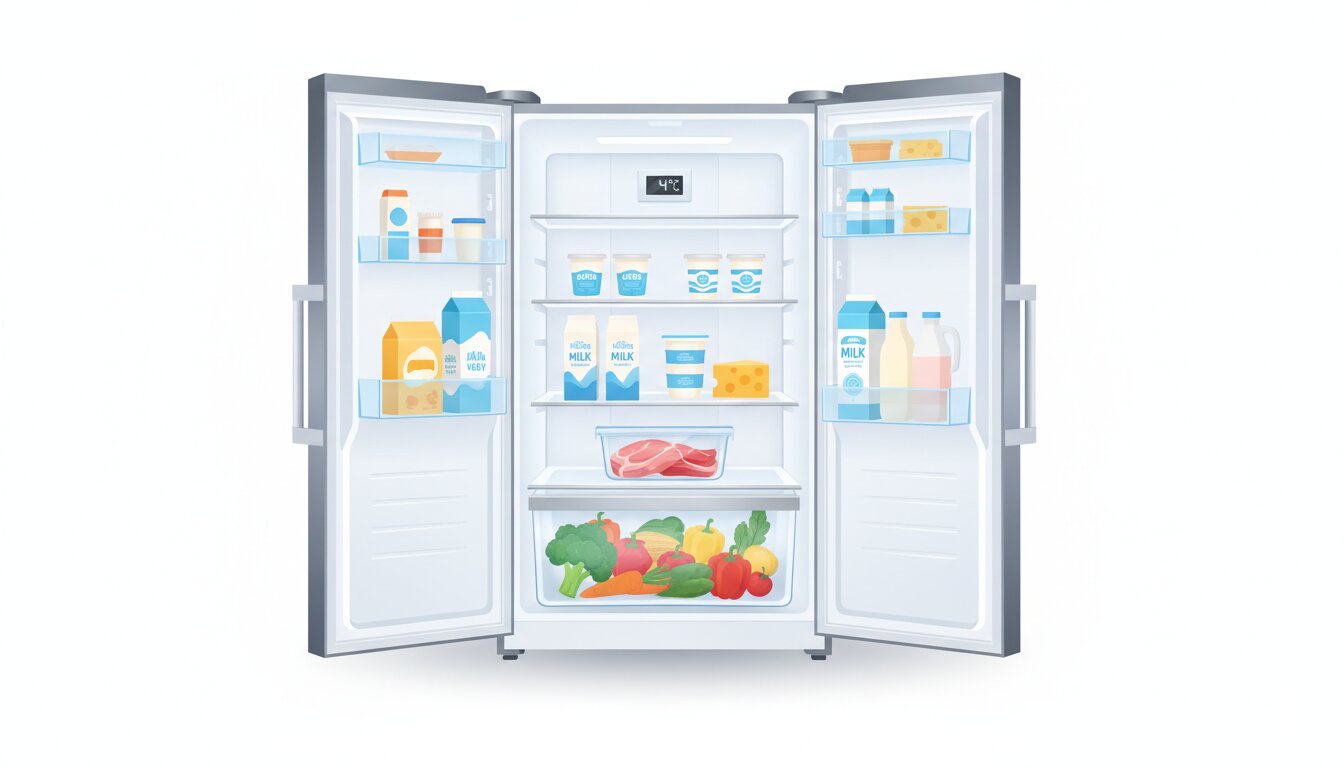
The ideal refrigerator temperature should be between 3°C and 5°C (37°F to 40°F). The freezer should stay at -18°C (0°F). These settings help slow bacterial growth and preserve food quality.
If you notice milk spoiling too quickly, vegetables wilting faster than usual, or ice cream becoming soft, it may be a sign that your refrigerator is not maintaining the correct temperature. Using a small fridge thermometer can give you reassurance and accuracy.
Safe Food Storage and Preventing Cross-Contamination
Have you ever opened your fridge and felt unsure about what should go where? Proper food organization is more important than many people realize.
Raw meat, poultry, and fish should always be stored on the bottom shelf in sealed containers. This prevents juices from dripping onto other foods. Ready-to-eat items like leftovers should stay on the top shelves. Fruits and vegetables belong in crisper drawers where humidity levels are controlled.
Overcrowding the refrigerator can block airflow and create uneven cooling. When cold air cannot circulate properly, some areas become warmer than others, increasing the risk of food spoilage. Keeping your refrigerator organized not only makes it easier to find items but also improves food safety at home.
The Importance of Regular Refrigerator Cleaning
A clean refrigerator feels refreshing. A dirty one can silently harbor bacteria, mold, and unpleasant odors. Small spills may not seem serious at first, but over time they can create hygiene issues.
Light cleaning should be done weekly by wiping shelves and removing expired items. A deeper cleaning once a month keeps the appliance in good condition. Always unplug the refrigerator before deep cleaning. Use warm water with mild soap, and avoid harsh chemicals inside food compartments.
Cleaning also gives you a chance to check for expired products. Many of us have experienced the guilt of discovering forgotten leftovers hidden in the back. Regular cleaning prevents waste and keeps your kitchen safe.
Electrical Safety and Fire Prevention
Because refrigerators run continuously, electrical safety should never be ignored. It can be frightening to think that something so ordinary could pose a risk, but awareness reduces danger.
Your refrigerator should always be plugged directly into a grounded wall outlet. Avoid extension cords, as they can overheat and increase the risk of electrical fire. Leave a few inches of space behind the appliance for ventilation. Proper airflow prevents overheating of the compressor.
If you ever notice a burning smell, unusual sparks, or a damaged power cord, turn off the appliance and contact a professional technician immediately. Acting quickly can prevent serious damage and protect your home.
Preventing Water Leaks and Moisture Problems
Water pooling under or inside the refrigerator can cause stress and damage. Leaks may result from blocked defrost drains, worn-out door seals, or improper leveling.
Check the door gasket regularly. If it is loose or cracked, cold air escapes and moisture builds up. A simple test is to close the door on a piece of paper. If it slides out easily, the seal may need replacement.
Keeping the refrigerator level also ensures proper drainage. Small adjustments can prevent long-term issues like mold growth or floor damage.
Food Safety During Power Outages
Power outages are unexpected and can create anxiety about food safety. During an outage, keep the refrigerator door closed as much as possible. A closed refrigerator can keep food cold for about four hours, while a full freezer can maintain temperature for up to 48 hours if unopened.
Once power returns, carefully inspect perishable foods. If items have been exposed to temperatures above 5°C (40°F) for more than two hours, it is safer to discard them. While throwing away food feels wasteful, protecting your family’s health is more important.
Simple Daily Habits That Improve Refrigerator Safety
Small daily actions can make a big difference in maintaining refrigerator safety and preventing food spoilage:
- Check the temperature settings regularly.
- Store raw meat on the bottom shelf in sealed containers
- Avoid overloading the refrigerator
- Clean spills immediately
- Inspect door seals for tight closure
- Keep the door closed as much as possible
- Vacuum the back coils every six months to remove dust.
These habits may seem minor, but together they create a safer and more efficient kitchen environment.
Child Safety Around Refrigerators
If you have children at home, refrigerator safety becomes even more important. Children may hang on the door or play near the appliance, which can damage hinges or create tipping hazards.
Teach children that the refrigerator is not a toy. If you ever dispose of an old refrigerator, ensure the doors are removed to prevent suffocation risks. Simple precautions protect curious young minds.
Energy Efficiency and Long-Term Care
A well-maintained refrigerator not only keeps food safe but also reduces electricity costs. Allow hot food to cool slightly before placing it inside. Putting very hot dishes directly into the fridge forces the compressor to work harder.
Cleaning the condenser coils every six months improves efficiency and prevents overheating. Keeping the refrigerator away from direct sunlight and heat sources also helps maintain stable temperatures.
When to Seek Professional Help
Some problems require expert attention. Call a qualified technician if your refrigerator fails to maintain temperature, makes loud unusual noises, leaks persistently, or emits burning smells.
Trying to repair complex electrical components without proper knowledge can increase risks. Professional servicing ensures safety and extends the life of your appliance.
Conclusion: Peace of Mind Through Proper Refrigerator Safety
Refrigerator safety in daily life is about more than appliance maintenance. It is about caring for your family, preventing foodborne illness, avoiding electrical hazards, and creating a clean kitchen you feel comfortable in.
When your refrigerator runs safely and efficiently, you experience something simple yet valuable: peace of mind. By maintaining proper temperature, organizing food correctly, cleaning regularly, and staying alert to potential issues, you turn an everyday appliance into a reliable protector of your home and health.
[…] You can also apply similar safety practices used in refrigerator maintenance—see this guide:👉 Refrigerator Safety Guide […]
ok very soon